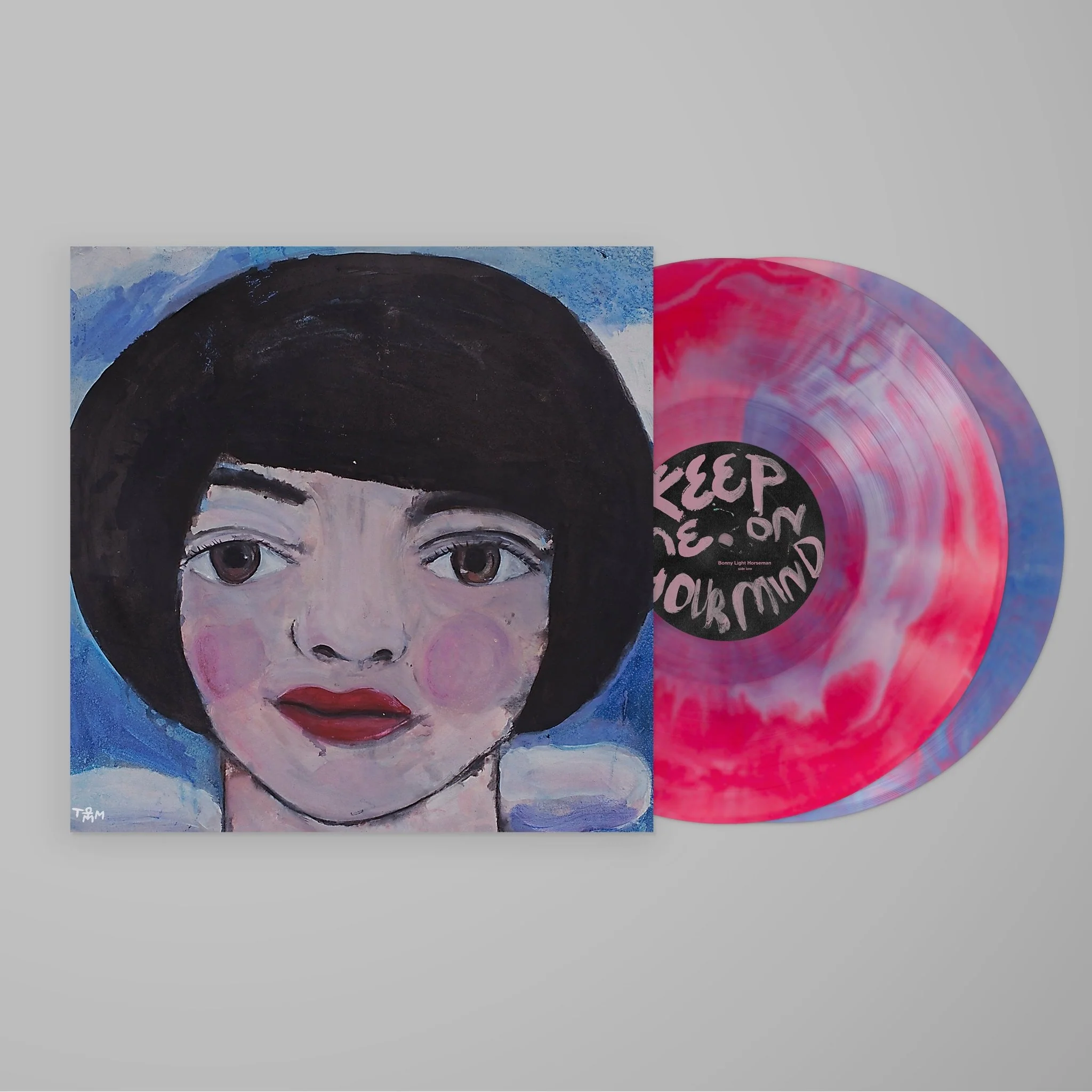
Keep Me on Your Mind/See You Free
Bonny Light Horseman’s new album, Keep Me on Your Mind/See You Free, is an ode to the blessed mess of our humanity. Confident and generous, it is an unvarnished offering that puts every feeling and supposed flaw out in the open. The themes are stacked high and staked even higher: love and loss, hope and sorrow, community and family, change and time all permeate Bonny Light Horseman’s most vulnerable and bounteous offering to date. Yet for all of its humanistic touchpoints, Keep Me on Your Mind/See You Free was forged from a kind of unexplainable magic.
Written over five months in 2023, this third album began when the band’s core trio–Anaïs Mitchell, Eric D. Johnson, and Josh Kaufman–convened in an Irish pub alongside beloved collaborators JT Bates (drums), Cameron Ralston (bass), and recording engineer Bella Blasko. Mitchell suggested the pub as their first recording location, based on her one conversation with owner Joe O’Leary. She had a feeling about the place, and was surprised by her bandmates’ enthusiasm for the idea. Stepping inside the pub’s aged confines, the trio felt an immediate connection to its palpable sense of community, and of family, forged over many decades.
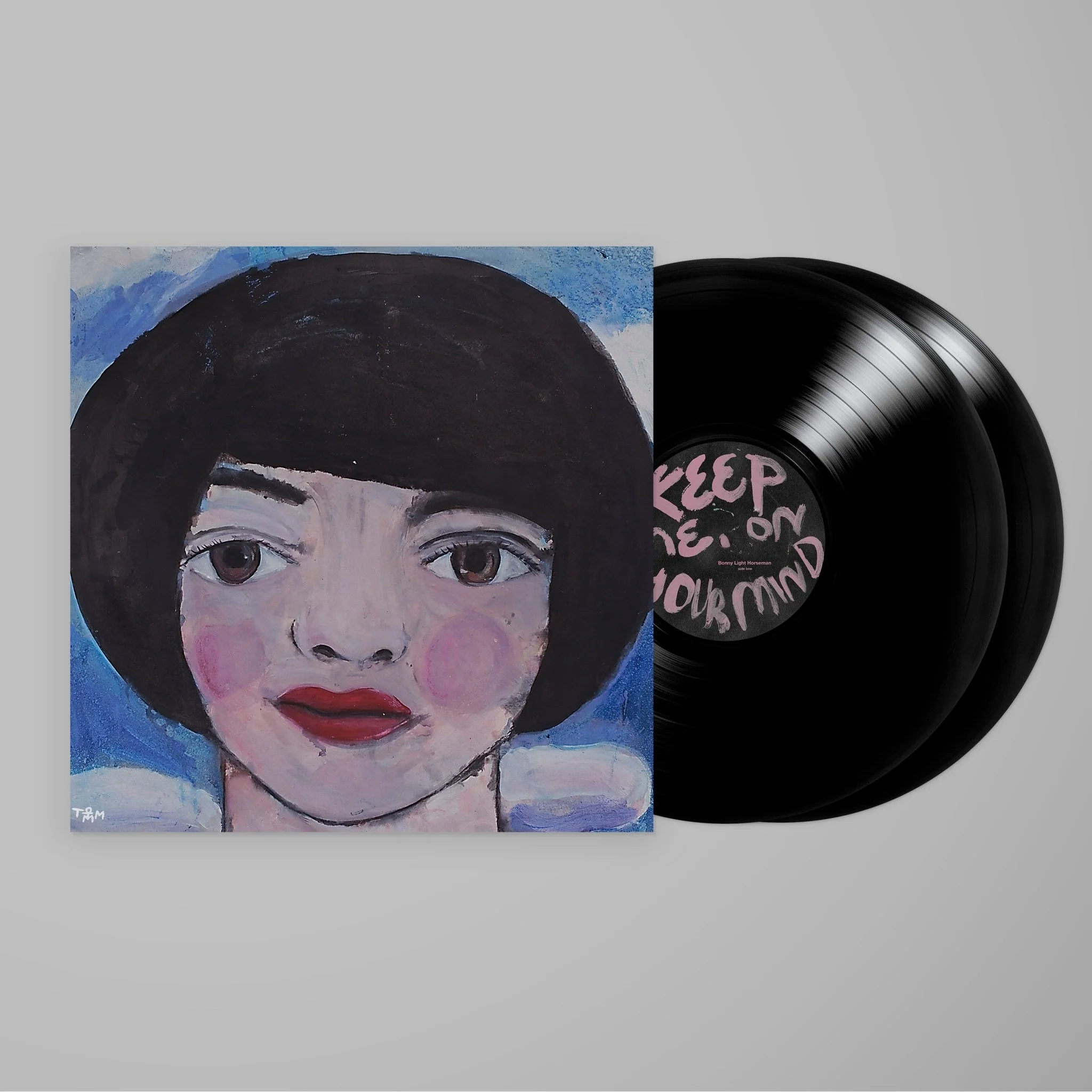
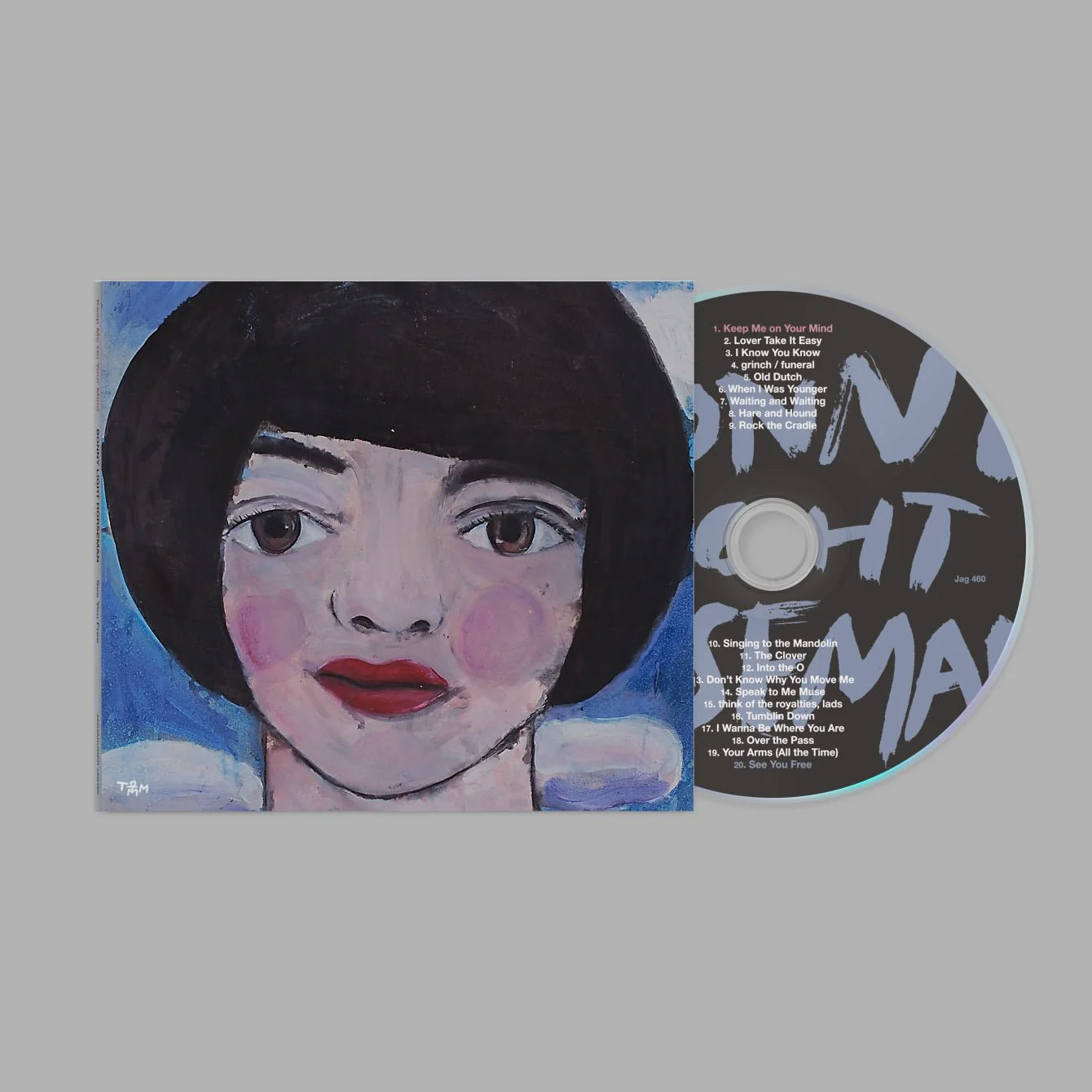
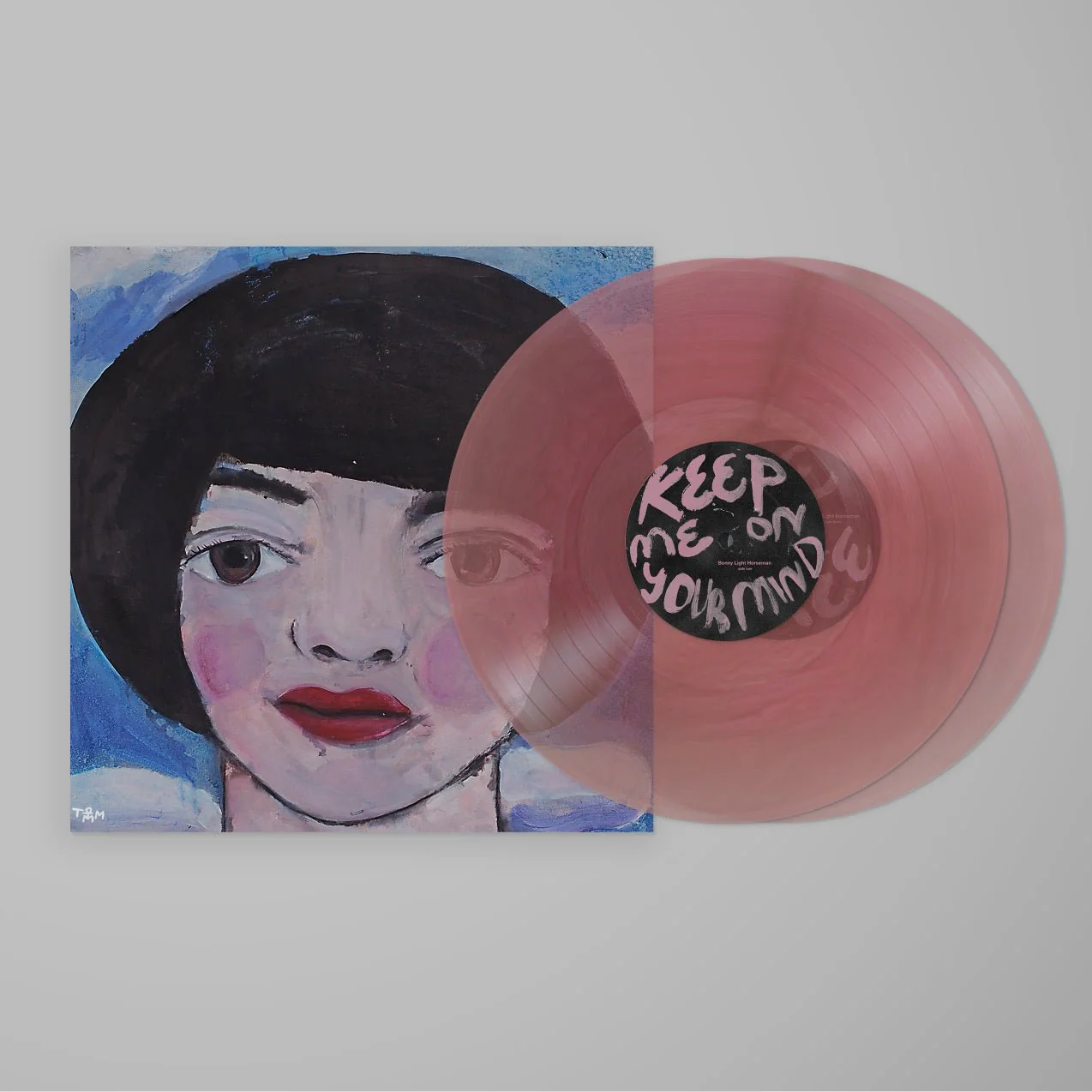
The pub was Levis (pronounced: “leh-viss”) Corner House, a century-old watering hole in Ballydehob, a tiny coastal village in County Cork, and its energy became a singular source of Bonny Light Horseman’s creative engine. The pub’s upright piano, which they lubricated with olive oil to quiet its creaking, became a sort of spiritual fulcrum, a single entity that embodied all of the album’s motifs: imperfection as a badge of honor; aging, endurance and the passage of time; how the simplest of acts can heal us. The analogs–between this century-old meeting place of local folk and this trio of American folkies–were undeniable. "It has this sense of history; it’s also small, and crammed with a bunch of stuff that’s spilling all over the place,” says Kaufman. “It was like the pub version of our band." A painting that hung on a wall of the pub, which watched over the band during their time working, became the album cover. “I was making eye contact with that person for most of the recording,” Johnson said of the artwork. And there was a deeper connection. Before the band had even planned to record in the pub, the owner’s wife had named the woman in the painting Bonnie.
There’s magic in a place like Levis Corner House, yes, but it takes the right wizards to wield it. At the center of Bonny Light Horseman is, always, the singular combination of three powerful and tender artists–artists who expertly dodge superlatives but are quick to acknowledge the ways they strengthen and enrich one another, and the bond that makes each one better, braver and more vulnerable than they’d be on their own. Nowhere is this more apparent than in the force of their voices together, which work with complete trust in one another through the gentlest moments and the most ruthless wails. The result can comfort and cradle listeners, but also leaves them rattled, wrecked, and reborn.
On a practical level, the “blessed mess” of Keep Me on Your Mind/See You Free shows up in its fidelity to this home, as crowd noise, laughter, coughing, and field recordings (“Think of the royalties, lads!”) convey everything from this special place in time. But philosophically, the “mess” is evidence of something deeper. It’s the imperfect, soul-nourishing fruit born of a singular communal experience, one that transforms its participants through the spirit of good company. Mitchell posits the idea of a “feast” and how dinners with friends effortlessly span courses, conversations, and hours — a meal that’s nutritious on physical and spiritual levels. “I have a friend who says you should never remove the dishes from the table, that you should sit among the wreckage,” she offers.
“There was this new level of letting it all hang out,” Mitchell said of the album’s making. In its evolution from recording to release, this meant compiling a double LP—eighteen songs across two discs. It also meant two titles, if not precisely two distinct records. Keep Me on Your Mind/See You Free is sprawling and welcoming, and encompasses the group’s captivating artistic layers: its roots in the sounds and lyrical spirit of traditional folk music, its branches in a more experimental and emotionally raw version of the band.
The group tracked about half of the songs in the main room of Levis’s. They spent two days working alone. On the evening of the third, O’Leary invited some enthusiastic residents to join in. That’s not to say it’s a live album; instead, the third day of the Ireland sessions represented a serendipitous blend of energies because the audience implicitly understood the assignment. Patrons gave the band enough space to talk about arrangements and record multiple versions of songs, but they also provided an evident sense of environmental joy as they chatted over pints with friends and family. “We were doing this in the middle of their spot and they intuitively understood what was required of them,” Johnson said. “It was pretty magic.”
The band then returned to their spiritual home, upstate New York’s Dreamland Recording Studios (where they completed their first two albums), to finish the work they had started. Frequent collaborator Mike Lewis joined on bass and tenor saxophone. Annie Nero stopped by to play upright bass and sing some harmonies for an afternoon. The days were rhapsodic and restorative, filled with crying, and songs that poured out like tears.
The poignant quandary at the center of “I Know You Know” revealed itself in mere minutes. The trio attributes the speed to the fact that they’d already finished much of Keep Me on Your Mind/See You Free and were able to “stand on the shoulders” of that creativity. It’s also demonstrative of the band’s ability to lace emotional devastation with a pop sensibility, which they’ve achieved throughout the album. Its feel-good, mandolin-laced arrangement and anthemic chorus belie how its refrain will wreck you. “I’m a fool if I love you and a fool if I let you go,” Johnson sings as Mitchell’s voice soars alongside him.
“Tumblin Down” is similar in its melodic tribulation. A folk-rock portrayal of an unraveling relationship, it’s like the spirit of Ingmar Bergman’s “Scenes From a Marriage” set to song—light on its surface but woven from existential crisis. “When I Was Younger,” meanwhile, is a primal scream, revolutionary for its open reckoning with motherhood, maturation and all of the things polite society doesn’t say out loud. In the song, Mitchell and Johnson’s honeyed voices meet and transform into a two-headed beast formed from pent-up emotion; its roar is necessary, beautiful, and scary.
“Old Dutch” originated as a voice memo recorded in a historical church of the same name in Kaufman’s home city. “It was timestamped ‘Old Dutch’ and that was too perfect; it sounded like a Bonny Light Horseman song,” he said. Its choral refrain echoes those origins; it also punctuates the band’s tale of shifting love with that alluring thing the heart is inevitably steered by—a lingering, often illogical, feeling.
With Keep Me on Your Mind/See You Free, Bonny Light Horseman offers a distinct sense of grace, and a reminder that life is most lived when things aren’t so perfect. Over the years, the band has accumulated many miles on the collective odometer of life. That’s all reflected here, in these modern folk songs, laced with glory and chaos. As Mitchell puts it: “It’s not concise. It’s not simple. It’s messy, and that’s OK.”
Original: $14.99
-70%$14.99
$4.50More Images
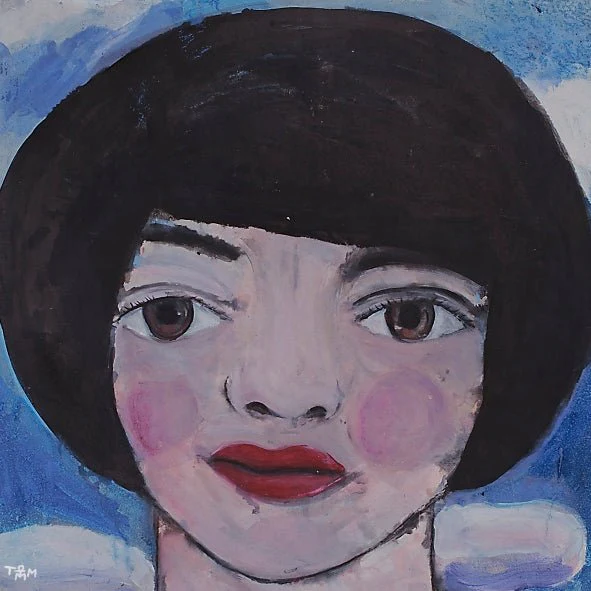
Keep Me on Your Mind/See You Free
Bonny Light Horseman’s new album, Keep Me on Your Mind/See You Free, is an ode to the blessed mess of our humanity. Confident and generous, it is an unvarnished offering that puts every feeling and supposed flaw out in the open. The themes are stacked high and staked even higher: love and loss, hope and sorrow, community and family, change and time all permeate Bonny Light Horseman’s most vulnerable and bounteous offering to date. Yet for all of its humanistic touchpoints, Keep Me on Your Mind/See You Free was forged from a kind of unexplainable magic.
Written over five months in 2023, this third album began when the band’s core trio–Anaïs Mitchell, Eric D. Johnson, and Josh Kaufman–convened in an Irish pub alongside beloved collaborators JT Bates (drums), Cameron Ralston (bass), and recording engineer Bella Blasko. Mitchell suggested the pub as their first recording location, based on her one conversation with owner Joe O’Leary. She had a feeling about the place, and was surprised by her bandmates’ enthusiasm for the idea. Stepping inside the pub’s aged confines, the trio felt an immediate connection to its palpable sense of community, and of family, forged over many decades.
The pub was Levis (pronounced: “leh-viss”) Corner House, a century-old watering hole in Ballydehob, a tiny coastal village in County Cork, and its energy became a singular source of Bonny Light Horseman’s creative engine. The pub’s upright piano, which they lubricated with olive oil to quiet its creaking, became a sort of spiritual fulcrum, a single entity that embodied all of the album’s motifs: imperfection as a badge of honor; aging, endurance and the passage of time; how the simplest of acts can heal us. The analogs–between this century-old meeting place of local folk and this trio of American folkies–were undeniable. "It has this sense of history; it’s also small, and crammed with a bunch of stuff that’s spilling all over the place,” says Kaufman. “It was like the pub version of our band." A painting that hung on a wall of the pub, which watched over the band during their time working, became the album cover. “I was making eye contact with that person for most of the recording,” Johnson said of the artwork. And there was a deeper connection. Before the band had even planned to record in the pub, the owner’s wife had named the woman in the painting Bonnie.
There’s magic in a place like Levis Corner House, yes, but it takes the right wizards to wield it. At the center of Bonny Light Horseman is, always, the singular combination of three powerful and tender artists–artists who expertly dodge superlatives but are quick to acknowledge the ways they strengthen and enrich one another, and the bond that makes each one better, braver and more vulnerable than they’d be on their own. Nowhere is this more apparent than in the force of their voices together, which work with complete trust in one another through the gentlest moments and the most ruthless wails. The result can comfort and cradle listeners, but also leaves them rattled, wrecked, and reborn.
On a practical level, the “blessed mess” of Keep Me on Your Mind/See You Free shows up in its fidelity to this home, as crowd noise, laughter, coughing, and field recordings (“Think of the royalties, lads!”) convey everything from this special place in time. But philosophically, the “mess” is evidence of something deeper. It’s the imperfect, soul-nourishing fruit born of a singular communal experience, one that transforms its participants through the spirit of good company. Mitchell posits the idea of a “feast” and how dinners with friends effortlessly span courses, conversations, and hours — a meal that’s nutritious on physical and spiritual levels. “I have a friend who says you should never remove the dishes from the table, that you should sit among the wreckage,” she offers.
“There was this new level of letting it all hang out,” Mitchell said of the album’s making. In its evolution from recording to release, this meant compiling a double LP—eighteen songs across two discs. It also meant two titles, if not precisely two distinct records. Keep Me on Your Mind/See You Free is sprawling and welcoming, and encompasses the group’s captivating artistic layers: its roots in the sounds and lyrical spirit of traditional folk music, its branches in a more experimental and emotionally raw version of the band.
The group tracked about half of the songs in the main room of Levis’s. They spent two days working alone. On the evening of the third, O’Leary invited some enthusiastic residents to join in. That’s not to say it’s a live album; instead, the third day of the Ireland sessions represented a serendipitous blend of energies because the audience implicitly understood the assignment. Patrons gave the band enough space to talk about arrangements and record multiple versions of songs, but they also provided an evident sense of environmental joy as they chatted over pints with friends and family. “We were doing this in the middle of their spot and they intuitively understood what was required of them,” Johnson said. “It was pretty magic.”
The band then returned to their spiritual home, upstate New York’s Dreamland Recording Studios (where they completed their first two albums), to finish the work they had started. Frequent collaborator Mike Lewis joined on bass and tenor saxophone. Annie Nero stopped by to play upright bass and sing some harmonies for an afternoon. The days were rhapsodic and restorative, filled with crying, and songs that poured out like tears.
The poignant quandary at the center of “I Know You Know” revealed itself in mere minutes. The trio attributes the speed to the fact that they’d already finished much of Keep Me on Your Mind/See You Free and were able to “stand on the shoulders” of that creativity. It’s also demonstrative of the band’s ability to lace emotional devastation with a pop sensibility, which they’ve achieved throughout the album. Its feel-good, mandolin-laced arrangement and anthemic chorus belie how its refrain will wreck you. “I’m a fool if I love you and a fool if I let you go,” Johnson sings as Mitchell’s voice soars alongside him.
“Tumblin Down” is similar in its melodic tribulation. A folk-rock portrayal of an unraveling relationship, it’s like the spirit of Ingmar Bergman’s “Scenes From a Marriage” set to song—light on its surface but woven from existential crisis. “When I Was Younger,” meanwhile, is a primal scream, revolutionary for its open reckoning with motherhood, maturation and all of the things polite society doesn’t say out loud. In the song, Mitchell and Johnson’s honeyed voices meet and transform into a two-headed beast formed from pent-up emotion; its roar is necessary, beautiful, and scary.
“Old Dutch” originated as a voice memo recorded in a historical church of the same name in Kaufman’s home city. “It was timestamped ‘Old Dutch’ and that was too perfect; it sounded like a Bonny Light Horseman song,” he said. Its choral refrain echoes those origins; it also punctuates the band’s tale of shifting love with that alluring thing the heart is inevitably steered by—a lingering, often illogical, feeling.
With Keep Me on Your Mind/See You Free, Bonny Light Horseman offers a distinct sense of grace, and a reminder that life is most lived when things aren’t so perfect. Over the years, the band has accumulated many miles on the collective odometer of life. That’s all reflected here, in these modern folk songs, laced with glory and chaos. As Mitchell puts it: “It’s not concise. It’s not simple. It’s messy, and that’s OK.”
Product Information
Product Information
Shipping & Returns
Shipping & Returns
Description
Bonny Light Horseman’s new album, Keep Me on Your Mind/See You Free, is an ode to the blessed mess of our humanity. Confident and generous, it is an unvarnished offering that puts every feeling and supposed flaw out in the open. The themes are stacked high and staked even higher: love and loss, hope and sorrow, community and family, change and time all permeate Bonny Light Horseman’s most vulnerable and bounteous offering to date. Yet for all of its humanistic touchpoints, Keep Me on Your Mind/See You Free was forged from a kind of unexplainable magic.
Written over five months in 2023, this third album began when the band’s core trio–Anaïs Mitchell, Eric D. Johnson, and Josh Kaufman–convened in an Irish pub alongside beloved collaborators JT Bates (drums), Cameron Ralston (bass), and recording engineer Bella Blasko. Mitchell suggested the pub as their first recording location, based on her one conversation with owner Joe O’Leary. She had a feeling about the place, and was surprised by her bandmates’ enthusiasm for the idea. Stepping inside the pub’s aged confines, the trio felt an immediate connection to its palpable sense of community, and of family, forged over many decades.
The pub was Levis (pronounced: “leh-viss”) Corner House, a century-old watering hole in Ballydehob, a tiny coastal village in County Cork, and its energy became a singular source of Bonny Light Horseman’s creative engine. The pub’s upright piano, which they lubricated with olive oil to quiet its creaking, became a sort of spiritual fulcrum, a single entity that embodied all of the album’s motifs: imperfection as a badge of honor; aging, endurance and the passage of time; how the simplest of acts can heal us. The analogs–between this century-old meeting place of local folk and this trio of American folkies–were undeniable. "It has this sense of history; it’s also small, and crammed with a bunch of stuff that’s spilling all over the place,” says Kaufman. “It was like the pub version of our band." A painting that hung on a wall of the pub, which watched over the band during their time working, became the album cover. “I was making eye contact with that person for most of the recording,” Johnson said of the artwork. And there was a deeper connection. Before the band had even planned to record in the pub, the owner’s wife had named the woman in the painting Bonnie.
There’s magic in a place like Levis Corner House, yes, but it takes the right wizards to wield it. At the center of Bonny Light Horseman is, always, the singular combination of three powerful and tender artists–artists who expertly dodge superlatives but are quick to acknowledge the ways they strengthen and enrich one another, and the bond that makes each one better, braver and more vulnerable than they’d be on their own. Nowhere is this more apparent than in the force of their voices together, which work with complete trust in one another through the gentlest moments and the most ruthless wails. The result can comfort and cradle listeners, but also leaves them rattled, wrecked, and reborn.
On a practical level, the “blessed mess” of Keep Me on Your Mind/See You Free shows up in its fidelity to this home, as crowd noise, laughter, coughing, and field recordings (“Think of the royalties, lads!”) convey everything from this special place in time. But philosophically, the “mess” is evidence of something deeper. It’s the imperfect, soul-nourishing fruit born of a singular communal experience, one that transforms its participants through the spirit of good company. Mitchell posits the idea of a “feast” and how dinners with friends effortlessly span courses, conversations, and hours — a meal that’s nutritious on physical and spiritual levels. “I have a friend who says you should never remove the dishes from the table, that you should sit among the wreckage,” she offers.
“There was this new level of letting it all hang out,” Mitchell said of the album’s making. In its evolution from recording to release, this meant compiling a double LP—eighteen songs across two discs. It also meant two titles, if not precisely two distinct records. Keep Me on Your Mind/See You Free is sprawling and welcoming, and encompasses the group’s captivating artistic layers: its roots in the sounds and lyrical spirit of traditional folk music, its branches in a more experimental and emotionally raw version of the band.
The group tracked about half of the songs in the main room of Levis’s. They spent two days working alone. On the evening of the third, O’Leary invited some enthusiastic residents to join in. That’s not to say it’s a live album; instead, the third day of the Ireland sessions represented a serendipitous blend of energies because the audience implicitly understood the assignment. Patrons gave the band enough space to talk about arrangements and record multiple versions of songs, but they also provided an evident sense of environmental joy as they chatted over pints with friends and family. “We were doing this in the middle of their spot and they intuitively understood what was required of them,” Johnson said. “It was pretty magic.”
The band then returned to their spiritual home, upstate New York’s Dreamland Recording Studios (where they completed their first two albums), to finish the work they had started. Frequent collaborator Mike Lewis joined on bass and tenor saxophone. Annie Nero stopped by to play upright bass and sing some harmonies for an afternoon. The days were rhapsodic and restorative, filled with crying, and songs that poured out like tears.
The poignant quandary at the center of “I Know You Know” revealed itself in mere minutes. The trio attributes the speed to the fact that they’d already finished much of Keep Me on Your Mind/See You Free and were able to “stand on the shoulders” of that creativity. It’s also demonstrative of the band’s ability to lace emotional devastation with a pop sensibility, which they’ve achieved throughout the album. Its feel-good, mandolin-laced arrangement and anthemic chorus belie how its refrain will wreck you. “I’m a fool if I love you and a fool if I let you go,” Johnson sings as Mitchell’s voice soars alongside him.
“Tumblin Down” is similar in its melodic tribulation. A folk-rock portrayal of an unraveling relationship, it’s like the spirit of Ingmar Bergman’s “Scenes From a Marriage” set to song—light on its surface but woven from existential crisis. “When I Was Younger,” meanwhile, is a primal scream, revolutionary for its open reckoning with motherhood, maturation and all of the things polite society doesn’t say out loud. In the song, Mitchell and Johnson’s honeyed voices meet and transform into a two-headed beast formed from pent-up emotion; its roar is necessary, beautiful, and scary.
“Old Dutch” originated as a voice memo recorded in a historical church of the same name in Kaufman’s home city. “It was timestamped ‘Old Dutch’ and that was too perfect; it sounded like a Bonny Light Horseman song,” he said. Its choral refrain echoes those origins; it also punctuates the band’s tale of shifting love with that alluring thing the heart is inevitably steered by—a lingering, often illogical, feeling.
With Keep Me on Your Mind/See You Free, Bonny Light Horseman offers a distinct sense of grace, and a reminder that life is most lived when things aren’t so perfect. Over the years, the band has accumulated many miles on the collective odometer of life. That’s all reflected here, in these modern folk songs, laced with glory and chaos. As Mitchell puts it: “It’s not concise. It’s not simple. It’s messy, and that’s OK.”